
Therawolf® CA
Ratings : ⭐⭐⭐⭐⭐
✔️ Less Pain in 60 Days or Money Back
✔️ 89% of Customers Got Pain-Free
✔️ Botanical Buffet: Made with Deep Relief Plants
✔️ Best for Knee/Elbow/Shoulder/Back/Neck
✔️ 100% Natural – No Chemicals or Fillers
✔️ Clinically-Proven Ingredients
✔️ No Artificial Stuff

THERAWOLF ORDER NOW
What is Therawolf Balm?
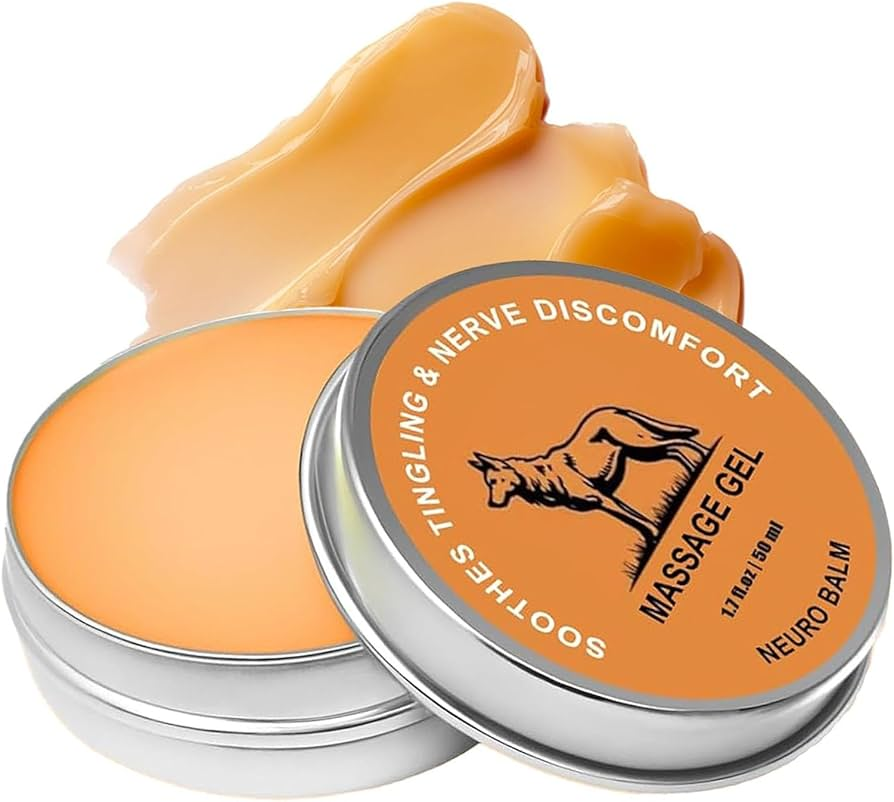
Therawolf Balm Canada (also referred to as “Therawolf Pain Relief Balm” or “Therawolf Neuro Balm” in some variants) is a topical — herbal/ botanical-based balm — marketed to relieve joint, muscle, and nerve-related discomfort.
Thera wolf Canada claims it is formulated with natural oils, herbal extracts, cooling agents and minerals, designed for flexible use on areas like knees, back, shoulders, neck, elbows, and more.
Therawolf Canada aims to offer a non-pill, non-invasive, topical alternative to manage everyday aches — whether from workouts, overuse, commuting, or general wear-and-tear.
What’s Inside: Key Ingredients & Their Roles
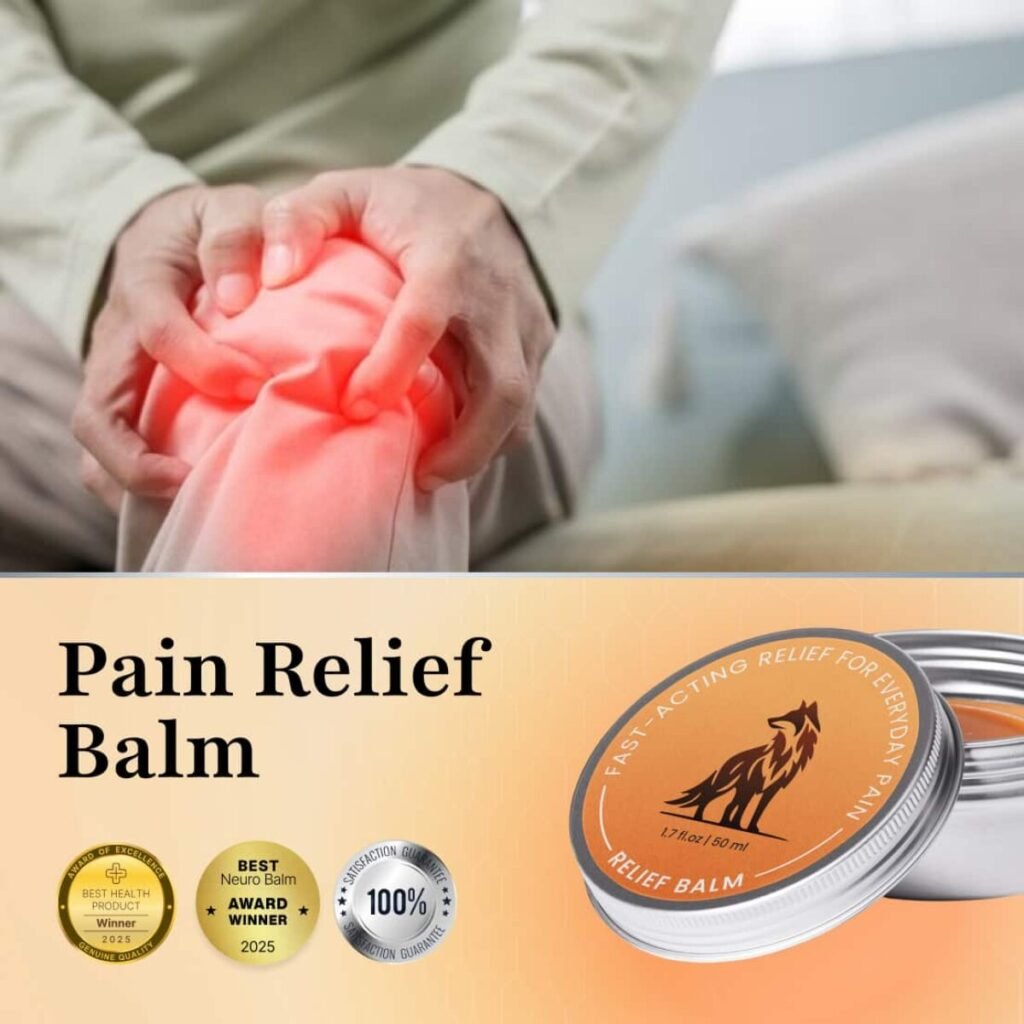
Understanding the formulation helps you see why the balm is positioned as a pain-relief aid. Here are its main active ingredients and what each brings:
- Menthol & Camphor — These are classic “counter-irritants.” When applied topically, menthol activates cold receptors on the skin; camphor stimulates nerve endings and increases local blood flow. This combination helps mask pain signals and delivers fast-acting cooling or warming sensations, distracting from underlying soreness.
- Herbal Extracts (Arnica, Chamomile, Peppermint, etc.) — Arnica oil is traditionally used to reduce swelling and ease muscle soreness or bruising. Chamomile and peppermint add soothing and mild anti-inflammatory effects while being gentle on skin.
- Minerals & Additional Compounds (e.g. Magnesium Chloride, MSM) — Some versions mention minerals like magnesium chloride, and compounds like MSM (Methylsulfonylmethane), which are often associated with joint health, muscle relaxation, and connective-tissue support. These aim to complement the pain-masking agents with longer-term support for joint/muscle comfort.
In short: Thera wolf combines fast-acting topical analgesics (menthol, camphor) for immediate relief, plus herbal and mineral components intended to support inflammation reduction, muscle relaxation, and joint comfort over time.

What People Say: Feedback, Benefits & What to Expect
Based on user testimonials (from the brand’s website and reviews) and many accounts shared by people who tried it, these are common benefits and caveats:
✅ Reported Benefits
- Rapid relief for soreness or stiffness: Many users say they feel relief minutes after applying — especially helpful for joints or muscles after workouts, long commutes, or long hours of standing/sitting.
- Eases daily discomfort: Users dealing with knee pain, back stiffness, or recurring joint tightness often report improved mobility, less discomfort, and better ability to continue regular tasks.
- Convenient, easy topical option: Since it’s a balm, you don’t need pills or complicated routines. Application is straightforward — you scoop a small amount, massage into the area, and the balm absorbs quickly (without leaving greasy residue).
- Natural ingredient appeal: For those seeking alternatives to synthetic creams or oral painkillers, the herbal- and plant-based formulation is a strong selling point.
⚠️ What to Keep in Mind (Limitations / Variability)
- Effectiveness varies person to person: Some users felt little to no effect, especially with long-term pain or deeper joint issues.
- “Not a cure” but a support tool: Therawolf may relieve surface-level pain, soreness, or stiffness — but it doesn’t cure underlying conditions (like severe arthritis or structural joint damage).
- Limited evidence for some claims: While menthol and camphor are well-studied for topical analgesia, the benefit of minerals like magnesium (topically) or for deep nerve regeneration through balm application remains scientifically debated.
- Potential for skin sensitivity: As with any balm, especially those with essential oils or herbal extracts, there’s a chance of irritation or allergic reaction — especially if you have sensitive skin. A patch test is advisable before widespread use.
Who Might Benefit Most From Therawolf — And Who Should Be More Cautious
Good Candidates
- People with occasional muscle soreness or stiffness — e.g. after workouts, long walks, commuting, or long hours at work.
- Those with mild to moderate joint discomfort or stiffness — especially if it’s not severe arthritis or structural joint damage.
- Individuals preferring topical, natural-ingredient solutions over oral painkillers or prescription meds.
- People looking for a convenient, on-the-go relief option (easy to apply after gym, long commute, or day at desk).
Use With Care (or After Consultation)
- If you have chronic, severe joint or nerve conditions (like advanced arthritis, serious nerve damage, etc.), balm alone may not be sufficient — consult a healthcare professional.
- If you have sensitive skin or known allergies (to essential oils, menthol, camphor, herbs), do a patch test first.
- If you rely on long-term pain management or medication, treat balms as a supportive, not standalone, option.
How to Use Therawolf Balm for Best Results
If you decide to try it, here’s a simple, practical usage routine that tends to maximize benefits:
- Clean & dry the skin — Make sure the area is clean and dry before application. This helps absorption and ensures better contact.
- Use a small amount — Scoop a small dab; balm is concentrated, so a little goes a long way.
- Massage gently — Apply with circular motions for 30–45 seconds; massage helps increase local blood flow, promote absorption, and enhance the warming/cooling effect.
- Frequency — As needed: many users apply 1–3 times a day (morning, after activity, or before bed).
- Combine with healthy habits — Balms work best when complemented by stretching, moderate exercise, proper posture, hydration, and rest. Think of balm as part of a broader recovery or pain-management routine.
Comparing Therawolf to Other Topical Pain Relievers — What’s Different?
Topical balms/creams for pain relief are not new. For example, some well-known products use similar active ingredients (menthol, camphor) to provide cooling/warming effects.
What tends to differentiate Therawolf:
- Blend of herbal + mineral components: The combination of botanical extracts (arnica, chamomile) with minerals like magnesium and MSM — positioning itself as more than a simple analgesic.
- Focus on natural/“clean” formulation: Marketing emphasizes plant-based, cold-pressed oils; absence of synthetic fillers, parabens or paraffins (according to the label).
- Convenience and flexibility of use: Absorbs quickly, non-greasy, easy to carry and apply — suitable for daily life, gym, travel, work, etc.
That said — as with all topical treatments — it’s not a magic bullet. For deeper issues (structural joint damage, severe nerve problems), more comprehensive treatment (medical care, physiotherapy, lifestyle changes) remains essential.
My Take: Balanced View on Therawolf’s Role in Pain & Wellness
If I were you and evaluating a balm like Therawolf, here’s how I’d think about it (with full transparency):
- Use as a support tool, not a cure: View it as a helpful addition to an overall pain-management or wellness routine. Good for mild–moderate pain, soreness, stiffness, fatigue — but probably insufficient on its own for chronic or severe conditions.
- Expect variability: Because individual physiology, skin type, nature of pain/injury differ — results will vary. Some people will get rapid relief; others may notice little change.
- Combine with holistic care: Pair balm use with regular movement, stretching, ergonomic habits, hydration, rest. Lifestyle factors matter a lot.
- Patch-test, observe, and adjust: Especially with herbal/mineral balms — sensitive skin, allergies, or overuse could cause irritation. Always start small.
In short — yes, balms like Therawolf can add value. They offer convenient, immediate comfort and may help with recovery and everyday aches. But treat them as a component — not the entire solution — for pain relief and joint/muscle health.
FAQS
Is Therawolf Balm safe for sensitive skin?
It’s generally gentle, but everyone’s skin reacts differently. If you have sensitive skin or known allergies to essential oils, do a patch test first to be safe.
Can it replace my current pain medication?
No. Therawolf Balm is a topical support tool, not a medical replacement. It’s great for daily relief, but chronic or severe pain should still be managed with guidance from a healthcare professional.
Will Therawolf Balm cure my condition?
No topical balm can cure underlying joint or nerve conditions. It helps manage symptoms, reduce discomfort, and support mobility — but it isn’t a cure.
Does it have a strong smell?
You’ll notice a minty, herbal scent from the menthol and botanicals. It’s mild compared to many traditional pain-relief rubs and fades after a few minutes.
Can I use it before workouts?
Yes. Many people apply it before warm-ups to loosen stiff areas. Just avoid using it on broken or irritated skin.
Can I use it with heat or ice?
Yes, but do so carefully. Using heat right after a menthol-based balm can intensify the sensation. If you try combining them, start mild and see how your skin reacts.
Are there any side effects?
Possible side effects include mild redness, tingling, or irritation — especially if you’re sensitive to menthol or essential oils. Discontinue use if irritation persists.
Can older adults use Therawolf Balm?
Yes, many older adults use it to manage stiffness and maintain mobility. As always, start with a small amount to check for sensitivity.
Should I massage it in deeply?
Yes. Always check the jar for the expiration date. For best results, use it within the recommended timeframe so the herbal oils remain potent.
Does Therawolf Balm expire?
Yes. Always check the jar for the expiration date. For best results, use it within the recommended timeframe so the herbal oils remain potent.
Conclusion: Is Therawolf Balm Worth Trying?
If you often deal with muscle soreness, joint stiffness, mild aches from workouts or daily work, or want a topical, natural-leaning pain relief option — Therawolf Balm can be a reasonable, low-risk, potentially helpful choice.
It’s especially relevant if you prefer to avoid pills, want to try a botanical/mineral-based solution, and you’re looking for a quick, convenient balm for day-to-day comfort.
However — if you’re dealing with serious, chronic pain, structural issues, or nerve damage — treat it as a supportive aid, not a replacement for medical treatment.